POS Implementation and Process Improvement at OASIS
Matching systems to the real needs of retail and foodservice operations.
Live
My contribution
I analysed workflows, supported configuration, training and adoption, and helped refine the operating model. Platform development was completed by the POS vendors.
01 · The Challenge
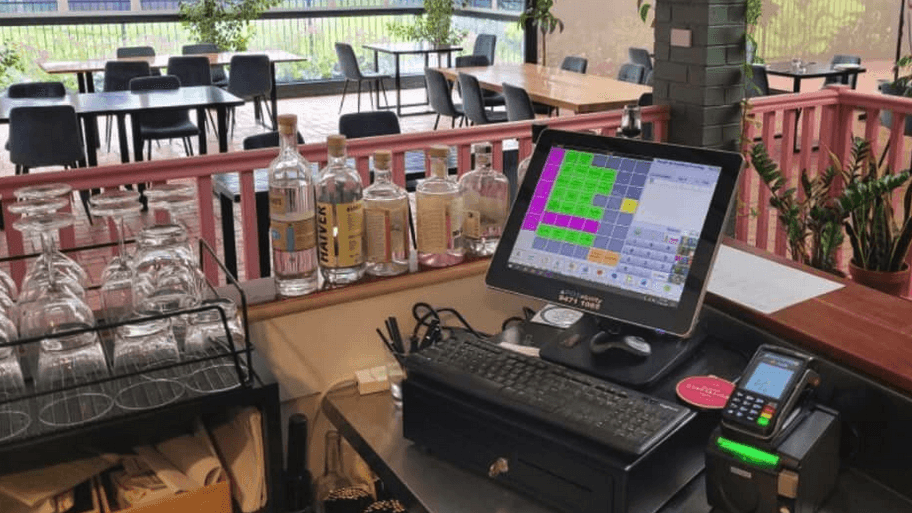
OASIS operated across foodservice and retail. BPOZ was effective for fast café transactions, customised buttons and foodservice modifiers, but its backend was harder to navigate and less suited to retail reporting, barcode-based sales and accounts-related workflows. The business moved towards EziPOS because it was better suited to the retail side of the operation.
02 · System Comparison
Different workflows needed different strengths
I compared the systems against the work people actually needed to complete, rather than assuming one platform should serve every department.
BPOZ strengths
- Fast café transactions
- Highly customisable tap buttons
- Foodservice options and modifiers
- Efficient café workflow
EziPOS strengths
- Barcode scanning and retail transactions
- Easier backend navigation
- Clearer, more visual reporting
- Invoice scanning and product mapping
- Better support for retail and accounts workflows
The practical solution was a hybrid model: BPOZ continued to support café and foodservice transactions, while EziPOS supported retail sales, reporting, barcode scanning and accounts-related processes.
03 · The Approach
- 01
Worked with business owners, managers, frontline staff and system users to understand operational requirements. The owners made the final decision, informed by practical feedback from the people using the systems.
- 02
Helped configure the retail POS, establish team workflows and maintain daily operations during an initial transition of approximately three weeks.
- 03
Supported staff and management through training, backend and reporting guidance, and day-to-day change adoption.
- 04
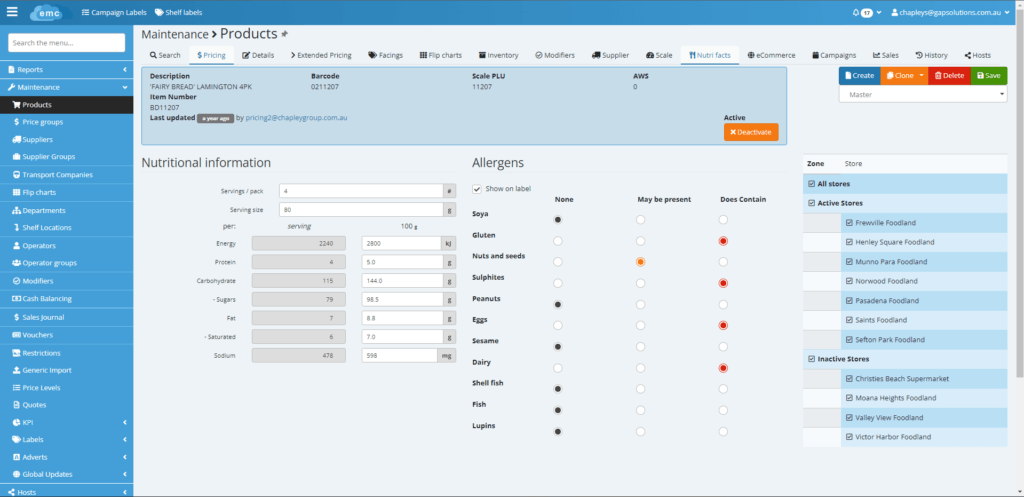
Continued refining product and barcode setup, invoice-to-product mapping, screen layouts, product information and cross-department processes over the following months.
- 05
Identified where EziPOS could not support café work efficiently and retained BPOZ where it continued to create operational value.
04 · The Outcome
EziPOS remained in use and improved retail work through clearer reporting, easier backend navigation, barcode-based processing and more streamlined accounts-related workflows.
BPOZ remained valuable for foodservice, preserving the speed and flexibility the café required.
The result was not simply replacing one system with another. It was an operating process designed around where each platform created the most value.
Across my career, I have trained more than 50 staff across different responsibilities. That broader experience informed how I supported users through this transition; it does not mean all 50 staff were trained on EziPOS.
05 · Lessons Learned
System selection should begin with actual business requirements, not the assumption that one platform must serve every workflow.
Frontline feedback is essential because the people completing the work see limitations that are not always visible in a system demonstration.
Implementation continues after the initial transition. Real-world use reveals what needs to be clarified, corrected and refined.
Skills demonstrated
Next · 02
Brew Society